Claim Your Access menopause leaky bladder superior online video. Without subscription fees on our streaming service. Lose yourself in a treasure trove of hand-picked clips highlighted in 4K resolution, suited for deluxe watching gurus. With the freshest picks, you’ll always keep current. Uncover menopause leaky bladder recommended streaming in amazing clarity for a truly enthralling experience. Participate in our video library today to witness exclusive prime videos with no payment needed, free to access. Receive consistent updates and explore a world of rare creative works produced for first-class media fans. Be sure not to miss uncommon recordings—get it in seconds! Enjoy top-tier menopause leaky bladder unique creator videos with flawless imaging and select recommendations.
Menopause can contribute to two primary types of urinary incontinence Learn about causes and treatment. Stress incontinence occurs when the muscles supporting the bladder and urethra are weakened
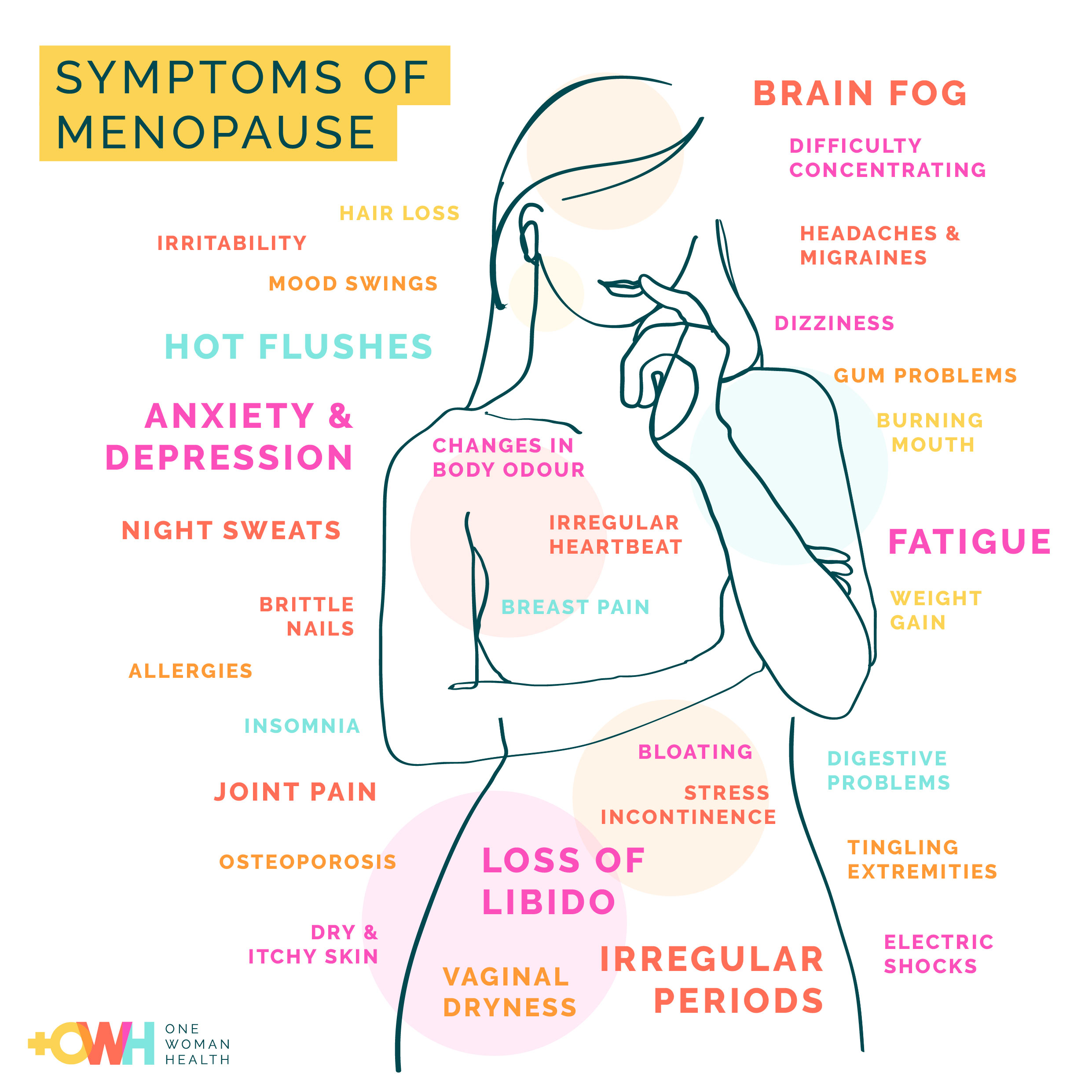
What are the symptoms of the menopause? -One Woman Health
This leads to leakage during activities that put pressure on the bladder, such as coughing, sneezing, laughing, or exercising Urinary incontinence, or loss of bladder control, is more common in women during and after menopause Urge incontinence is also known as overactive bladder.
Menopause marks a significant transition in a woman’s life, bringing many physical and emotional changes
While hot flashes and mood swings are commonly discussed, many women face another challenging and often embarrassing symptom Problems like frequent urination, sudden urges to pee, and urinary leakage become more common during and after menopause, affecting daily. A leaky bladder had become a cause for her concern in her early 50s Are you of menopausal age and worried about urinary incontinence
Then, this is the perfect article for you I have covered all aspects, including the cause of urinary incontinence in menopause, the types of urinary incontinence, and how to manage it Read on to learn more. Rachael sussman, a urologist/urogynecologist at medstar georgetown university hospital, answers our questions about menopause and urinary incontinence