Dive Right In are intersex people transgender high-quality digital broadcasting. Without subscription fees on our entertainment center. Get lost in in a universe of content of clips presented in unmatched quality, perfect for prime viewing enthusiasts. With new releases, you’ll always keep current. See are intersex people transgender personalized streaming in vibrant resolution for a truly enthralling experience. Sign up today with our digital stage today to take in content you won't find anywhere else with without any fees, no credit card needed. Get fresh content often and browse a massive selection of uncommon filmmaker media produced for prime media savants. Be certain to experience unique videos—swiftly save now! Indulge in the finest are intersex people transgender visionary original content with stunning clarity and select recommendations.
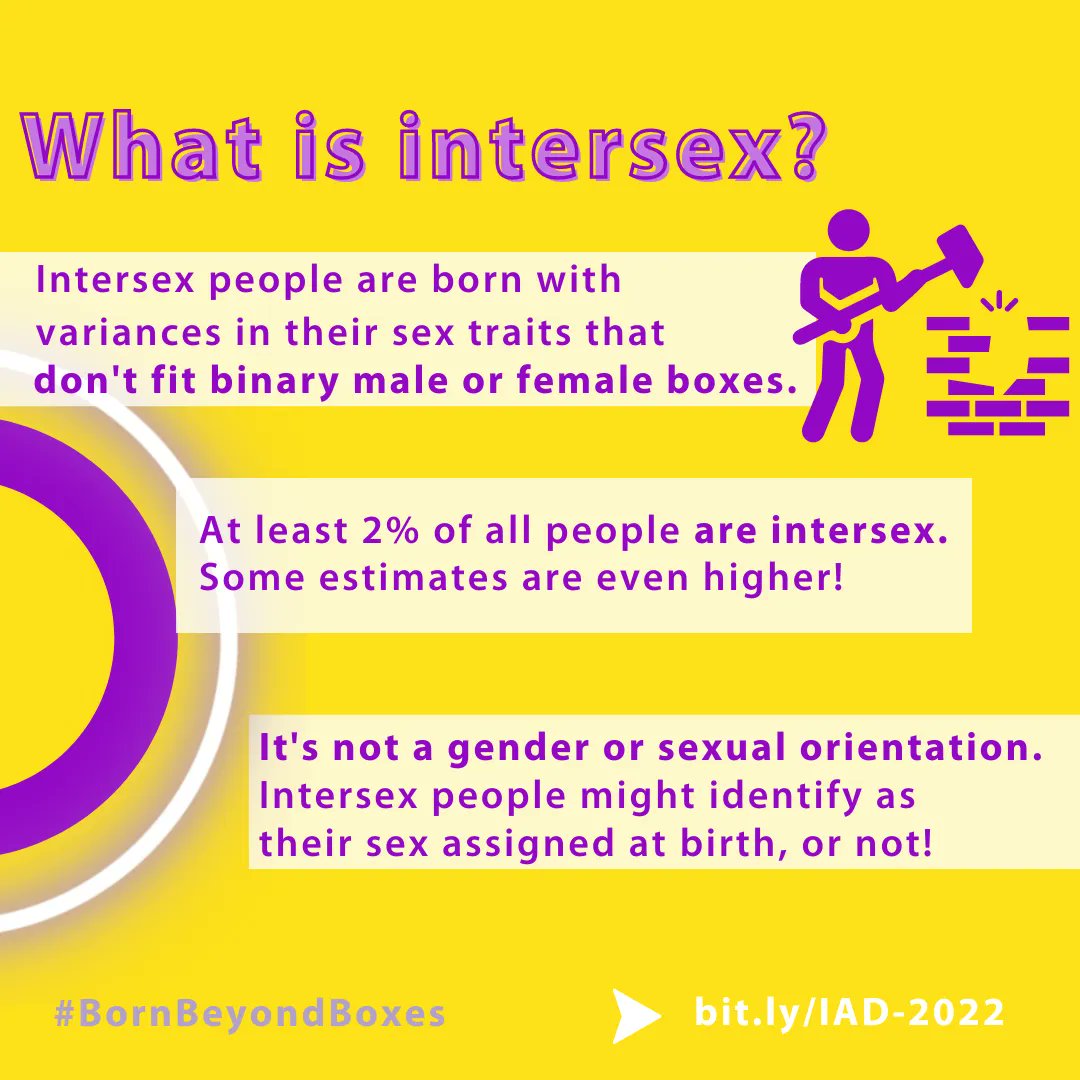
The main difference is that intersex deals with physical traits, while transgender deals with inner identity While some people with intersex conditions also identify as transgender, they as a group have a unique set of needs and priorities besides those shared with trans people. Do intersex and transgender people get similar medical care
9 Young People on How They Found Out They Are Intersex | Teen Vogue
People who are intersex might have medical procedures to help their bodies work better or to make their physical appearance fit more common ideas of male or female. Is intersex part of the “transgender” community Intersex people are born with sex characteristics (such as genitals, gonads, and chromosome patterns) that do not fit the typical definitions for male or female bodies
[1][2] they are substantially more likely to identify as lesbian, gay, bisexual, transgender or queer (lgbtq) than endosex people
According to a study done in australia of australian citizens with intersex conditions. Interact’s intersex inclusive language guide provides helpful guidelines on how to speak with and about intersex people in a respectful manner The truth is that the vast majority of people with intersex conditions identify as male or female rather than transgender or transsexual Thus, where all people who identify as transgender or transsexual experience problems with their gender identity, only a small portion of intersex people experience these problems.
Intersex people are generally assigned male or female despite their anatomical atypicality, but may later identify differently and correspondingly identify as transgender A person cannot transition to “become” intersex because having an intersex condition is defined as a variation in reproductive anatomy present at birth.
.png)