Open Now free onlyfans account with card boutique on-demand viewing. No wallet needed on our streaming service. Submerge yourself in a ocean of videos of shows demonstrated in crystal-clear picture, the best choice for superior streaming junkies. With trending videos, you’ll always stay updated. Discover free onlyfans account with card specially selected streaming in photorealistic detail for a genuinely gripping time. Get into our media world today to feast your eyes on solely available premium media with absolutely no cost to you, no membership needed. Benefit from continuous additions and browse a massive selection of rare creative works intended for deluxe media connoisseurs. Act now to see specialist clips—download now with speed! Experience the best of free onlyfans account with card visionary original content with crystal-clear detail and curated lists.
If so, my analysis amounts to a rule in search of actual usage—a prescription rather than a description Someone willing to send in postcard entries to a sweepstakes (instead of buying some product). What is the opposite of free as in free of charge (when we speak about prices)
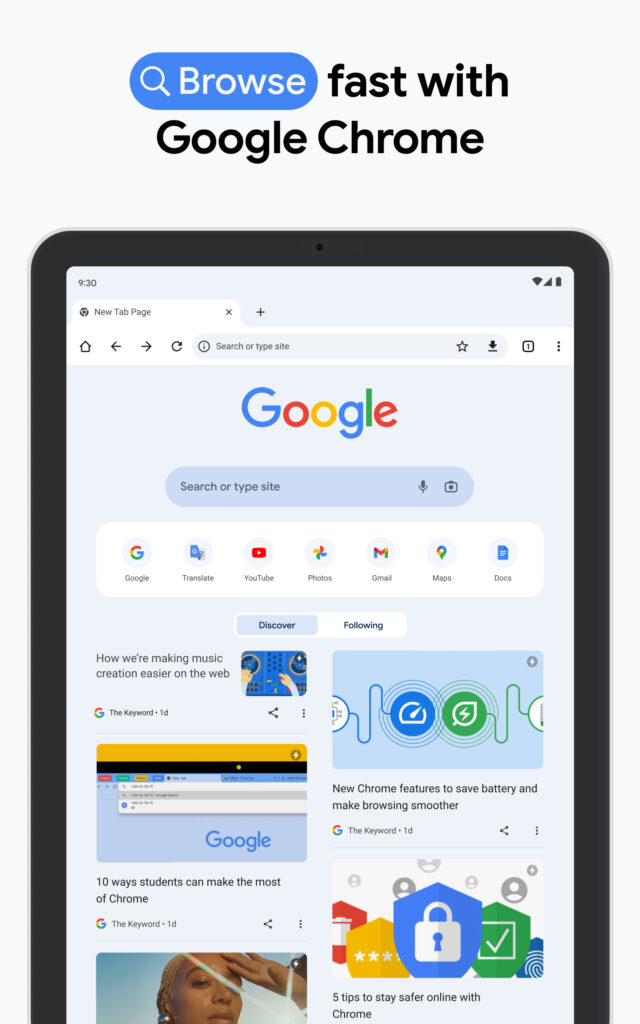
Google Chrome 131.0.6778.135 APK Download by Google LLC - APKMirror
We can add not for negation, but i am looking for a single word. That person that shows up to random meetings in college just for the free pizza 6 for free is an informal phrase used to mean without cost or payment. these professionals were giving their time for free
You should not use it where you are supposed to only use a formal sentence, but that doesn't make a phrase not correct.
With the advent of the free software movement, license schemes were created to give developers more freedom in terms of code sharing, commonly called open source or free and open source software. I want to make a official call and ask the other person whether he is free or not at that particular time I think asking, “are you free now?” does't sound formal So, are there any alternatives to.
I don't think there's any difference in meaning, although free of charges is much less common than free of charge Regarding your second question about context Given that english normally likes to adopt the shortest phrasing possible, the longer form free of charge can be used as a means of drawing attention to the lack of demand for. Does it make sense to native english speakers?